Global Scans
·
Space
·
Intelligence Briefing
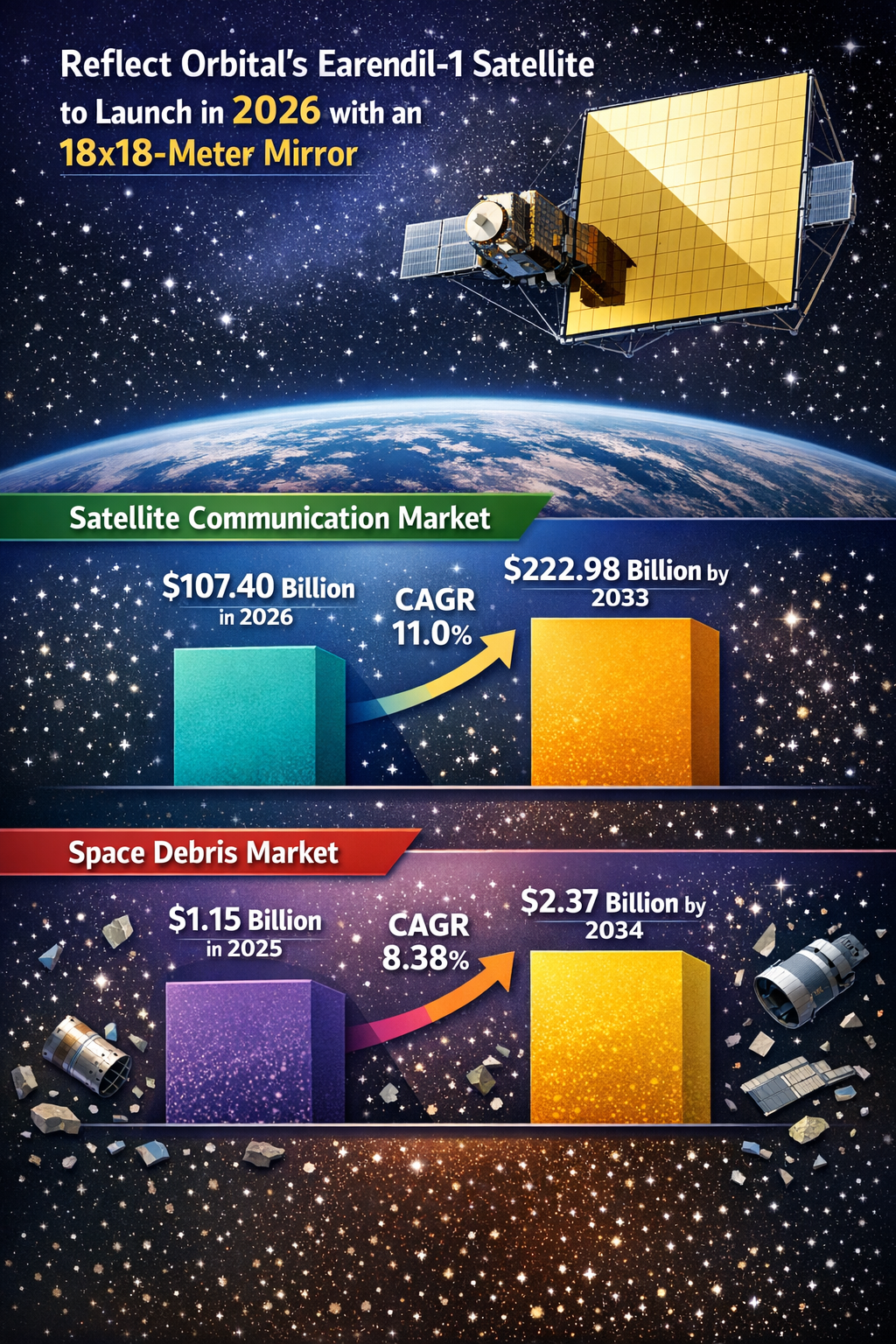
Intelligence Briefing about Space
Critical Trends Impacting the Organization
- Advancements in in-orbit debris removal technologies aim to mitigate increasing space junk, especially in low-Earth orbit, enhancing long-term space sustainability (Space Daily).
- Deployment of LEO satellite-based inflight WiFi by major airlines, such as Singapore Airlines utilizing Starlink, signals a significant elevation in connectivity and digital customer experience (Future Travel Experience).
- Affordability improvements in NR-NTN chipsets by 2028 will broaden access to satellite connectivity, enabling mid-tier automotive and other sectors to leverage satellite communications more cost-effectively (Mordor Intelligence).
Key Challenges, Opportunities, and Potential Risks
- Challenges: Addressing the increasing volume of space debris to prevent collisions and maintain operational orbital space; managing interoperability and security risks of expanding satellite communications networks.
- Opportunities: Market expansion in satellite-based connectivity for aviation, automotive, and IoT sectors; leadership in innovative debris mitigation enhancing strategic and environmental standing.
- Risks: Potential escalation of space congestion and militarization; regulatory and geopolitical complexities affecting collaboration on debris removal and satellite operations.
Scenario Development
- Best-Case: Successful global deployment of debris removal technologies stabilizes the orbital environment; satellite connectivity is ubiquitously affordable and secure, driving widespread digital transformation across industries.
- Optimistic Growth: Incremental improvements in debris management reduce collision risks; increasing but uneven access to satellite connectivity enhances select sectors without full inclusiveness.
- Disruptive Fragmentation: Space debris proliferation outpaces removal efforts, causing frequent operational disruptions; fragmented satellite network standards lead to security vulnerabilities and market uncertainty.
- Worst-Case: Space traffic and debris hazards escalate dramatically, limiting usable orbits; satellite communications become restricted by geopolitical tensions, curtailing commercialization and connectivity expansion.
Strategic Questions
- How can emerging debris removal technologies be integrated effectively into broader space governance frameworks to ensure sustainable space operations?
- What strategic partnerships or alliances could accelerate equitable and secure satellite connectivity deployment across critical industry sectors?
- In what ways could increased dependency on space-based connectivity reshape national security and economic resilience policies?
- How might we anticipate and mitigate the risks of space congestion and militarization in multilateral cooperation contexts?
Actionable Insights for Strategic Decision-Making
- Investing in collaborative debris monitoring and removal initiatives could position the organization as a leader in sustainable space stewardship.
- Exploring partnerships with satellite communication providers could enable early adoption of advanced connectivity solutions, strengthening sector competitiveness.
- Developing adaptive regulatory and policy frameworks could help manage emerging geopolitical tensions and security concerns associated with space assets.
- Scenario planning that incorporates fast-changing technological and geopolitical variables could improve resilience against disruptive space environment developments.
Briefing Created: 21/09/2026